Packing Mastery for a Flawless House Move
Packing Mastery for a Flawless House Move
Moving house is an exciting chapter, but the actual process of getting your belongings from point A to point B can be overwhelming. No matter how near or far you're relocating, effective packing is crucial to guarantee a smooth transition. If you're seeking Packing Mastery for a Flawless House Move, this comprehensive guide will equip you with essential strategies, expert tips, and smart tricks to streamline your move, protect your possessions, and ease the stress.

Why Packing Done Right Matters for a Perfect Move
Proper packing isn't just about fitting items into boxes--it's about organization, protection, and efficiency. Mastering the art of packing sets the foundation for a hassle-free move by:
- Preventing damage to your cherished belongings.
- Saving time during both packing and unpacking.
- Reducing stress by keeping things organized and accessible.
- Cutting costs by optimizing packing supplies and transportation needs.
Let's dive into the expert-approved steps and methods to achieve flawless house move packing efficiency.
Early Preparation: Laying the Groundwork for Packing Excellence
Start Early and Create a Packing Timeline
The cornerstone of packing mastery is starting well ahead of moving day. Procrastination leads to rushed, careless packing and increases the likelihood of items being forgotten or damaged. Ideally, begin sorting and packing non-essential items 4-6 weeks before your move date.
- Draft a detailed packing schedule. Allocate specific dates for packing each room, starting with areas and items you use least.
- Set achievable daily and weekly goals to avoid overwhelm and keep progress on track.
Declutter and Downsize
A flawless home move is impossible without first decluttering. Moving unused or unnecessary items simply adds to the workload and cost.
- Sort belongings room by room, designating items to keep, donate, sell, recycle, or discard.
- Host a garage sale or use online marketplaces to rehome items that are still in good condition.
- Dispose of or donate perishables, expired products, and hazardous materials.
Decluttering not only makes packing easier but also ensures your new home starts clutter-free!
Essential Packing Supplies: What You'll Need
Investing in quality packing materials protects your possessions and ensures efficient packing. Your house move packing toolkit should include:
- Sturdy moving boxes in assorted sizes (small for books and heavy items, medium for kitchenware, large for lightweight linen and clothes).
- Bubble wrap and packing paper for cushioning fragile pieces.
- Stretch wrap or moving blankets for furniture and large items.
- High-quality packing tape--avoid weak tapes that might split or unstick.
- Permanent markers for labeling boxes clearly and boldly.
- Scissors and box cutters for safe and easy opening/closing.
- Specialty boxes for wardrobes, dishes, glassware, and electronics.
- Seal-able storage bags for screws, hardware, or small items.
- Labels and colored stickers for organizing by room.
Tip: Many moving companies and stores sell "moving kits" containing preselected essentials or even rent eco-friendly reusable boxes for a sustainable move!
Expert Packing Techniques for Every Room
Each room presents unique challenges. Mastering room-by-room packing techniques not only secures your items but also simplifies the unpacking process.
Kitchen Packing Mastery
- Pack appliances in their original boxes whenever possible or use ample padding and double boxes for extra protection.
- Wrap glassware and dishes individually in packing paper--avoid newspaper ink to prevent stains. Stack plates vertically like records for greater durability.
- Bundle flatware and utensils in sets and place in sealable bags.
- Group pantry items -- use labeled, sealed bins for spices and small jars.
Living Room & Fragile Items
- Disassemble furniture (if possible) and store hardware in labeled bags--tape them to the piece or keep all hardware together in a clearly labeled container.
- Wrap electronics in bubble wrap and pack cords/accessories in separate bags labeled with the device name.
- Use specialized boxes for flat-screen TVs, artwork, and mirrors--reinforce with extra padding.
Bedroom Packing Strategies
- Keep clothes on hangers and move them in wardrobe boxes to save time.
- Pack bedding, linens, and towels in large boxes or bags. Use them to cushion fragile items in other boxes to save space.
- Label boxes with "essentials"--include nightwear, bedding, and personal items for the first night.
Bathroom Packing
- Pack liquids and toiletries in sealed bags to prevent leaks. Dispose of expired medicines and unwanted beauty products.
- Bags or small boxes are best for small items like razors and makeup--add padding if fragile.
Garage, Attic, and Sheds
- Check local disposal guidelines for hazardous materials--many movers won't transport paint, fuel, or pesticides.
- Clean and disassemble tools where possible; pack sharp items with blade guards or in sturdy boxes.
- Wrap outdoor equipment and string together loose items for easier transport.
Labeling: The Key to Effortless Unpacking
The secret of a truly flawless move lies in your labeling system. Properly labeled boxes save you endless time and headaches after arrival. Consider these approaches for packing mastery:
- Clearly label each box with its room destination and a brief list of contents.
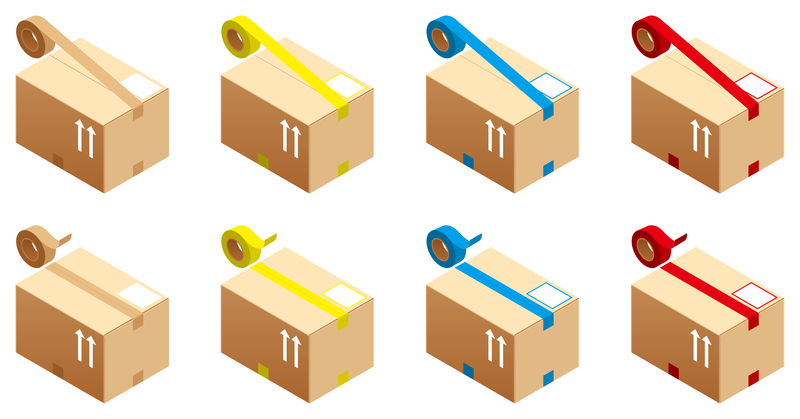
- Use color-coded stickers or tape to identify rooms at a glance.
- Number boxes and keep a corresponding packing inventory list--handy for quickly noticing anything missing.
- Mark boxes containing fragile items with large, clear warnings.
- Label "Open First" boxes for essentials you'll need instantly--think toiletries, chargers, and basic kitchenware.
Packing and Moving Day: Final Steps to Success
Reserve a "No-Pack Zone"
Designate a separate area or room in your home to store your personal essentials and items you don't want packed by movers. This should include keys, IDs, important paperwork, phone chargers, medications, a change of clothes, and valuable jewelry or electronics.
Loading the Moving Truck: Smart Arrangements
- Load heavier items and furniture first, distributing weight evenly.
- Stack boxes by weight and fragility--heavier, sturdy boxes on the bottom, lighter or breakable items on top.
- Pack "Open First" boxes and essentials last for quick access upon arrival.
Safety and Efficiency Tips
- Use a dolly or cart to minimize injuries and make moving large boxes or furniture easier.
- Communicate clearly with movers or helpers regarding fragile items and special instructions.
- Take photos of electronics and furniture assembly for reference during setup in your new home.
Common Packing Mistakes to Avoid
Even seasoned movers can fall into familiar traps. Here's what to watch out for on your way to packing mastery for a flawless house move:
- Overpacking boxes, leading to box breakage and injury risk.
- Poor or missing labeling--causing confusion or misplaced items.
- Skipping protective padding for fragile items.
- Packing last-minute, resulting in chaos and stress.
- Forgetting to keep essentials accessible for moving day and the first night.
Sustainable Packing: Eco-Friendly Moving Tips
Modern movers are increasingly eco-conscious. Here's how you can pack like a master while minimizing your environmental impact:
- Rent or borrow reusable moving bins instead of new cardboard boxes.
- Use towels, sheets, and clothing to wrap breakables instead of bubble wrap.
- Recycle or donate boxes and packing materials after moving.
- Seek out biodegradable packing peanuts and recycled-content supplies.
- Dispose of unwanted items responsibly, avoiding landfill whenever possible.
Unpacking: Completing the Flawless Move
Arriving at your new home doesn't signal the end--unpacking efficiently ensures the journey is truly complete. Here's how to master the final phase:
- Start with essential boxes--bathroom supplies, bedding, and kitchen items.
- Refer to your packing inventory to verify all boxes arrived and remain intact.
- Unpack by room based on your pre-move labeling and priorities.
- Dispose of packing materials as you go to keep the new home organized.
- Assemble furniture using reference photos and taped hardware for swift setup.
Pro Tip: Give yourself time--don't try to unpack everything in a single day! Prioritize comfort and practicality, and enjoy the process of settling in.
FAQs About Packing for a Flawless House Move
- How early should I start packing?
*Ideally, 4-6 weeks before your move date, starting with items you use least.* - How do I prevent fragile items from breaking?
*Wrap items individually, use ample cushioning, and don't overpack boxes. Label "fragile" on all sides.* - Should I hire professional packers?
*Professional packers are a wise investment if time is short or you have high-value items and want extra assurance.* - What should I pack last?
*Essentials for moving day and night--such as toiletries, medications, paperwork, chargers, and daily clothes.*
Conclusion: Achieve Packing Mastery for a Flawless House Move
Mastering packing for a seamless house move isn't about perfection--it's about preparation, organization, and attention to detail. By starting early, decluttering, gathering the right supplies, employing smart packing techniques, and staying organized, you'll ensure everything arrives safely and your move is as stress-free as possible.
With these strategies in your toolkit, you'll transform the challenge of packing into an opportunity for a fresh, organized start in your new home. Embrace this packing mastery and enjoy a truly flawless house move!
If you found this guide practical and motivating, share it with anyone planning their own move. Happy packing and best wishes in your new home!