Avoid fines: loading bay rules on Kew Road explained
Posted on 05/07/2026
If you are planning a move, a delivery, or any kind of van access on Kew Road, loading bays can be the difference between a smooth morning and an expensive headache. The rules sound simple at first glance, but in real life they are often tied up with timing, bay markings, signage, permit expectations, and the practical reality of a busy London road. This guide to avoid fines: loading bay rules on Kew Road explained is designed to help you park legally, load efficiently, and stay calm while doing it. No fluff. Just the stuff that actually helps on the day.
To be fair, most fines happen because people are rushing. They pull in "just for a minute," assume a bay is free-use, or forget that a loading bay may still have conditions attached. If you are moving furniture, handling a bulky item, or coordinating a removal van, that little mistake can become a costly one. Let's get the practical picture straight.
Why Avoid fines: loading bay rules on Kew Road explained Matters
Loading bays exist to keep traffic moving while giving drivers a controlled place to stop for short, necessary loading or unloading. On a road like Kew Road, that matters even more because there may be frequent local traffic, tighter access windows, and competing demands from residents, businesses, and service vehicles.
The big issue is not just the fine itself, although nobody enjoys one. It is the knock-on effect. If a vehicle is forced to move, or if loading takes longer than expected, you can end up with delays, extra lifting, frustrated neighbours, and a move that feels far more chaotic than it should. And if you are already managing stairs, tight hallways, or awkward furniture, that extra stress is the last thing you need.
There is also a trust issue. When you park in a loading bay, you are relying on the assumption that your use fits the local restrictions. If that assumption is wrong, the consequences can be immediate. In our experience, a careful ten-minute check before arrival can save a lot of awkward conversation later. It really can.
Expert summary: If your move depends on roadside access, treat loading bay rules as part of your move plan, not as a side detail. The bay is a tool, not a guarantee.
If you are also dealing with larger or awkward items, it can help to prepare the rest of the move around the bay timing. Articles like van access and parking advice for TW9 Kew and tight-access moving tips for Kew homes are useful companion reads when you are working out the broader logistics.
How Avoid fines: loading bay rules on Kew Road explained Works
Think of loading bay use as a sequence, not a single action. First, you identify the bay. Then you read the sign. Then you confirm whether the bay is active, whether loading is permitted, whether a time limit applies, and whether your vehicle or activity qualifies. Sounds obvious. Yet this is exactly where people trip up.
Most loading bays have some combination of the following controls:
- specific hours when loading is allowed
- short stay limits
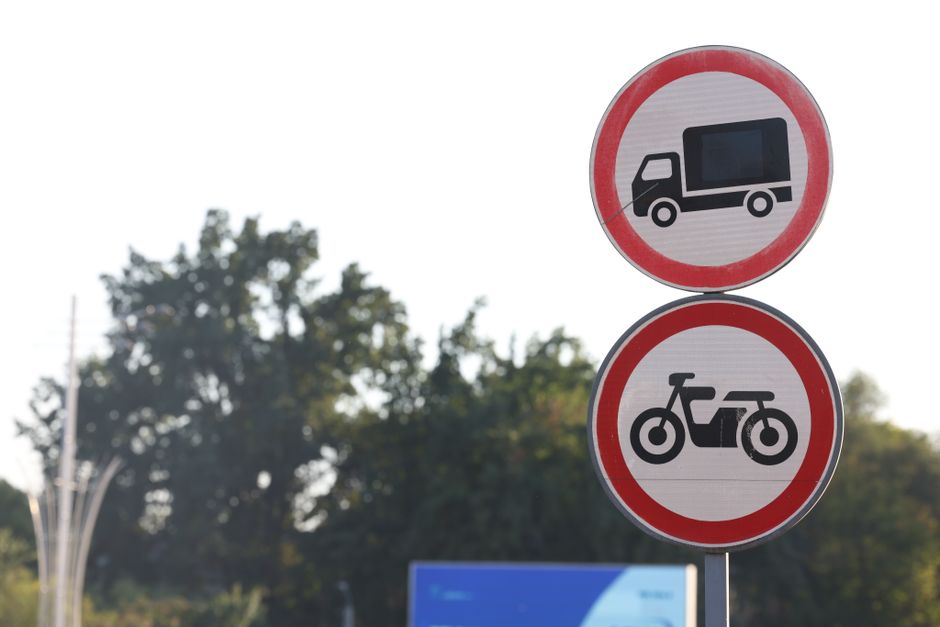
- vehicle type restrictions
- permit or exemption requirements in some circumstances
- restrictions on waiting, parking, or standing outside loading activity
The key is that a loading bay is usually for active loading or unloading only. If you stop there and then spend fifteen minutes arranging keys, calling someone, or searching for missing box tape, you may already be drifting outside the intended use. That is the sort of thing that can catch people out. Quietly, annoyingly, and with a yellow envelope on the windscreen before you know it.
For removal jobs, the practical rhythm is usually this: the van arrives, the team unloads quickly, and the bay is cleared once the essential items are in or out. If you know you will need longer than a short loading window, it is sensible to plan for staggered unloading, extra hands, or nearby holding/storage options such as storage solutions in Kew and short-term storage near Kew.
Another useful point: signage can change from one side of a road to another, or from one bay to the next. Never assume that two bays on the same stretch behave the same way. They often do not.
Key Benefits and Practical Advantages
Following loading bay rules properly is not just about avoiding a penalty. It actually makes the day better. Less rushing, fewer interruptions, fewer awkward manoeuvres with a wardrobe halfway off the ramp. A simple compliance mindset has real, practical value.
- Lower risk of fines: the obvious one, but worth saying clearly.
- Better time control: when you know the bay window, you can work to it.
- Less physical strain: no forced lifting because a van has to move unexpectedly.
- Fewer neighbour disputes: a lawful, tidy stop is usually less irritating to everyone nearby.
- Cleaner move planning: bay access helps you coordinate loading, parking, and lift timing together.
There is also a small but important confidence benefit. When the driver and movers know exactly where the vehicle can stop and for how long, everyone relaxes a bit. You hear the back doors open, the trolley wheels rattle, someone calls out the next item, and the whole job feels under control. That feeling matters. More than people admit, probably.
If you are still comparing move options, the wider service journey may help too. For example, transparent Kew quotes can help you see how access issues affect pricing and timing, while removals in Kew and man and van Kew pages are useful for understanding what support level you may need.
Who This Is For and When It Makes Sense
This guidance is for anyone who may need to stop, load, or unload on Kew Road without getting into trouble. That includes house movers, renters, students, small businesses, delivery drivers, and anyone shifting bulky items into or out of a property.
It especially matters if you are dealing with:
- flat moves with limited frontage access
- furniture removals where items need to be moved quickly
- office equipment deliveries on a tight schedule
- large or awkward items such as pianos, mattresses, sofas, and cabinets
- same-day or short-notice moves where there is less time to plan
If that sounds familiar, you are not alone. Kew has plenty of homes and streets where access needs a bit of thinking. The detail is easy to underestimate until you are standing on the pavement with a sofa that suddenly feels twice its original size. If you know, you know.
When a move is more complex, it can help to look at related support. For example, flat removals in Kew can suit apartment moves with tighter access, while house removals in Kew may be a better fit where more furniture and longer loading times are involved. For heavy specialist items, piano removals in Kew is the safer route than improvising.
Step-by-Step Guidance
Here is a practical way to handle loading bay use on Kew Road without overcomplicating it.
- Check your route in advance. Decide where the van will stop and whether the stop is for loading only or for a longer transfer window.
- Read the bay sign carefully. Look for the permitted hours, vehicle rules, and any wording about loading, waiting, or time limits.
- Match the stop to the job. If you need ten minutes to collect one item, that is a different situation from unloading a full house.
- Prepare the load before the van arrives. Boxes sealed, furniture wrapped, keys ready, paths clear. Basic stuff, but it saves minutes.
- Use extra hands where needed. Do not make a one-person job out of a two-person lift just because the bay clock is ticking.
- Keep the vehicle attended if required. If the sign or local rule expects active loading, stay with the vehicle and the goods.
- Move out promptly once loading is done. Don't linger. This is where many people get caught.
A lot of the success here comes from preparation before the van even reaches the kerb. Good packing matters, good sequencing matters, and decluttering matters too. If you want to get ahead of the mess, packing mastery for a flawless house move and effective decluttering before moving are both worth a look.
One practical example: if you are moving a bed, don't wait until the van is already in the bay to discover that the frame still needs disassembly. That tiny delay can be enough to push you past a limit. Better to read bed and mattress moving tips beforehand and have the tools ready.
Expert Tips for Better Results
The best loading bay plans are boring in the best possible way. Nothing dramatic. Just a clean, calm sequence that gets the job done.
Tip 1: Build the loading plan around the slowest item
If one item is unusually heavy, fragile, or awkward, let that item define your timing. A piano, antique sideboard, or oversized wardrobe can easily dominate the whole stop. It is better to be realistic than optimistic and then scrabbling around at the kerb.
Tip 2: Have a bay backup plan
Sometimes the first bay is occupied or unsuitable. Know in advance where your second-best option is, and whether it still keeps you within legal loading distance of the property. The backup plan is what stops a small delay becoming a scramble.
Tip 3: Keep the van load order simple
Put the first items you need nearest the door and the last items furthest in. That sounds almost too basic, but it makes a surprising difference. You want a steady flow, not a treasure hunt inside the van.
Tip 4: Use professional help for specialist items
Some loads are too risky to push through fast. For pianos or very heavy furniture, the safer option is to use trained movers. It reduces the chance of injury, damage, and the dreaded "we should have done this differently" moment. For that kind of work, why trusting the pros is essential when it comes to moving pianos is a sensible read.
Tip 5: Respect the street environment
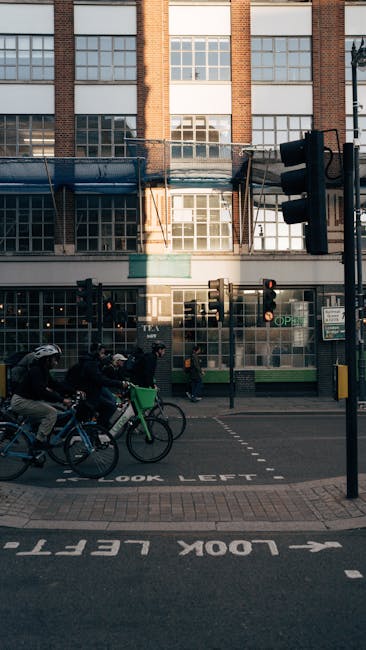
Kew Road can be busy and unpredictable. Pedestrians, cyclists, buses, and local traffic all shape what is practical. A clean loading bay stop is not only about the rulebook; it is also about staying alert, visible, and efficient. That way nobody gets boxed in.
Common Mistakes to Avoid
Most fines happen because of a handful of repeat mistakes. Avoid these and you are already ahead of many drivers.
- Assuming "loading" means anything goes. It does not. Active loading is usually the point.
- Ignoring the sign because the bay looked empty. Empty does not mean unrestricted.
- Leaving the van unattended for too long. Especially during a legal loading stop.
- Using the bay as a waiting area. That is very different from loading.
- Underestimating unload time. Especially with stairs, flats, or large furniture.
- Forgetting to brief everyone involved. One person hesitates, everyone else waits, and time slips away.
There is also a related mistake: treating access and parking as separate from the move itself. They are not separate. Access is part of the move. If you need more context on tighter roads nearby, narrow-street removal planning in Kew gives a useful local perspective.
And if you are disposing of old furniture or other bulky items as part of the same day, make sure that part is handled properly too. The article where to drop bulky waste in Kew and avoid fines is relevant for exactly that reason.
Tools, Resources and Recommendations
You do not need a lot of fancy kit to handle loading bay access well, but a few practical tools make life easier.
- A printed move plan: useful if phones die or signal is patchy.
- Basic signage photos: take a clear picture of the bay sign before unloading starts.
- Hand trolleys and straps: ideal for moving several boxes safely and quickly.
- Furniture blankets and wraps: protect items and reduce fiddly rehandling.
- Boxes labelled by room: speeds up unloading and reduces time on the bay.
If you are hiring help, ask about experience with local access conditions. A team familiar with Kew's traffic patterns, pavement space, and loading windows will usually be better placed to estimate whether a particular job can fit within a short bay stop. That sort of judgement is worth a lot. More than people realise, actually.
For broader service planning, it can also help to review services overview, removal services in Kew, and man with a van Kew so you can match the level of help to the complexity of your access.
Law, Compliance, Standards, or Best Practice
Parking and loading restrictions in London can vary by street, time, and council-managed controls. Because of that, the safest advice is to treat the signage on the day as the primary source of truth. Do not rely on memory, and do not assume that last month's arrangement still applies.
Where a bay is marked for loading only, you should use it only for that purpose and only within the allowed conditions. If an exemption, permit, or council arrangement is needed, confirm it before the move, not after the ticket arrives. That is common-sense compliance rather than legal drama, and it saves a lot of trouble.
Good practice also means:
- keeping the vehicle close to the loading point without blocking access longer than necessary
- avoiding unnecessary idling or waiting
- making sure the goods are being actively loaded or unloaded
- respecting any time limits, even if the job is nearly finished
- planning around local traffic so the bay is not held longer than needed
If you are unsure about your own setup, the safest move is to treat the job as an access planning exercise, not just a parking problem. That mindset prevents a lot of last-minute mistakes, and honestly it makes the day feel less intimidating.
Options, Methods, or Comparison Table
Different move-day approaches suit different situations. Here is a simple comparison to help you decide what makes sense.
| Approach | Best for | Pros | Trade-offs |
|---|---|---|---|
| Strict loading-bay stop | Small, fast jobs with clear timing | Efficient, low disruption, simple to manage | Requires disciplined loading and good preparation |
| Loading bay plus staggered runs | Medium moves with mixed item sizes | Reduces pressure on one single stop | Needs coordination and possibly more time overall |
| Loading bay plus short-term storage | Larger moves or uncertain access windows | More flexibility, less rush, better for bulky items | Extra handling step and potential added cost |
| Professional removal crew | Complex, heavy, fragile, or specialist items | Safer, faster, more organised | May cost more than a self-managed approach |
If your job involves a mixture of standard boxes and awkward pieces, a combined approach is often the smartest. Move the quick items first, store the slower ones if needed, and don't force the whole plan into one unrealistic bay stop. That little bit of flexibility can save the day.
Case Study or Real-World Example
Picture a typical move on Kew Road. It is early morning, the road is already alive with traffic, and the loading bay is available but only for a limited period. The customer has a sofa, a chest of drawers, several labelled boxes, and a mattress. Nothing outrageous. But the access window is tight.
The team arrives with the van packed in the right order. The sofa is wrapped and ready, the mattress is accessible, and the small boxes are grouped by room. Before unloading starts, someone checks the bay sign again. Good. The group keeps the pace steady, with no wandering back and forth for tape or keys. One helper stays with the van while the other two move items. The bay is cleared within the permitted window, and the job rolls on without drama.
Now imagine the same move with no plan. The van parks, someone realises the sofa needs another strap, the mattress is blocked by heavier boxes, and the keys are still in a jacket pocket somewhere. Suddenly the loading window is slipping. That is how penalties happen. Not because anyone wanted to break a rule, but because nobody gave the bay the respect it deserved.
If the move gets too crowded or too slow, there is always the option to slow down the process upstream. A bit of decluttering helps, and so does choosing the right support. The related article on turning a move into a stress-free journey is useful if you want the bigger picture.
Practical Checklist
Use this before you arrive at the bay. It is simple, but it works.
- Have you checked the exact bay signage and time restrictions?
- Do you know whether your vehicle is allowed to stop there for loading?
- Are your items packed, labelled, and ready to move?
- Have you arranged enough people for the heaviest items?
- Is the route from property to van clear?
- Do you have trolleys, blankets, straps, and key tools ready?
- Have you planned for any stairs, lifts, or awkward corners?
- Do you know your backup parking or loading option?
- Are you clear on who will stay with the vehicle while loading happens?
- Will the vehicle be cleared before the bay limit expires?
A small extra reminder: if your job involves unusual or expensive items, build in more time than you think you need. People nearly always underestimate the last ten percent of a move. That final bit can be the fussiest.
If you want help understanding pricing where access and timing are part of the picture, take a look at pricing and quotes before making decisions. It helps to know what you are paying for, especially when the kerbside plan matters.
Get a free quote today and see how much you can save.
Conclusion
Loading bays on Kew Road are there to make essential loading possible, but they only work in your favour when you use them carefully. Read the sign. Keep the job active. Move efficiently. And if the move is bigger than a quick in-and-out stop, plan accordingly rather than hoping for the best.
That is really the heart of it. A little bit of preparation prevents most fines, and it usually makes the move smoother, safer, and less stressful too. If you are juggling furniture, fragile items, or a narrow access point, being calm and organised is not just nice - it is the difference between a tidy move and a messy one.
And if today's job still feels a bit much, that is fine. Some moves are like that. The sensible thing is to get the access right, keep the process simple, and give yourself enough breathing room. In the end, a careful move tends to feel like a good one.