Kew Green moves -- tips for tight-access Victorian homes
Posted on 27/04/2026
Kew Green Moves: Tips for Tight-Access Victorian Homes
Moving in and around Kew Green can be beautifully straightforward on paper and surprisingly awkward in real life. Victorian homes often bring narrow front paths, compact stairwells, awkward turns, low-hanging light fittings, shared access, and parking that disappears just when you need it most. If you are planning a move in a tight-access property, the difference between a smooth day and a stressful one usually comes down to preparation, realistic planning, and choosing the right moving approach.
This guide breaks down Kew Green moves -- tips for tight-access Victorian homes in a practical, local way. You will find what to measure, what to pack first, how to protect the property, when to book help, and how to avoid the most common mistakes. If you want a moving day that feels controlled rather than chaotic, start here.
Expert summary: In tight-access Victorian homes, success usually depends on three things: accurate measurements, lighter loads, and a route plan that matches the building-not the other way round.
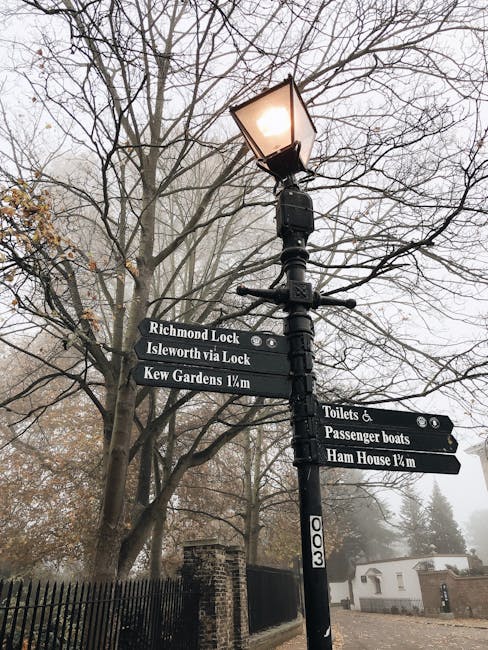
Why Kew Green Moves for Tight-Access Victorian Homes Matters
Victorian houses and terraces are charming for a reason: character, proportions, and a sense of place. The challenge is that many were designed long before modern furniture sizes, modular sofas, king mattresses, American-style fridges, and bulky wardrobes became normal household items. That mismatch matters because a move that looks manageable from the street can become difficult once the van is parked and the first large item reaches the hallway.
Tight access changes the whole logic of a move. A standard removal plan assumes you can load quickly, turn easily, and manoeuvre without repeated resets. In a Victorian property near Kew Green, those assumptions often fail. You may be dealing with a slim staircase, a door frame that leaves no spare inch, a landing with an awkward corner, or residents and neighbours who need access kept clear. Even a small delay at the front door can ripple through the whole day.
It also matters for safety. Heavy lifting in cramped spaces increases the risk of knocks, slips, scrapes, and strain injuries. If an item catches on a bannister or you twist while turning on a stair, the damage can be to the furniture, the property, or your back. That is why planning matters just as much as muscle. For a useful background on safer handling methods, see the principles behind safer lifting and load movement.
There is a commercial side too. If you are deciding whether to hire help, the access difficulty is one of the biggest factors affecting time, labour, and vehicle choice. In practical terms, the right moving plan can save multiple trips, reduce breakages, and avoid the kind of last-minute panic nobody enjoys. Truth be told, the building usually wins if you try to force the wrong method.
How Kew Green Moves for Tight-Access Victorian Homes Works
The best way to think about a tight-access move is as a route-and-load problem. Before anyone lifts a box, you want to know exactly how each item will travel from room to van. In a Victorian home, that means measuring not just furniture, but the pinch points: door widths, stair bends, ceiling heights on the landing, hallway angles, outdoor steps, and the clearance available at the kerb.
From there, the move is usually broken into small stages. Smaller items go out first to create space. Larger items are wrapped and staged in order of exit. Fragile items are packed in a way that protects them from repeated handling. If parking is constrained, the van may need to be positioned very deliberately so the shortest, safest route is between the front door and the loading point.
This is where planning materials become useful. Good packing is not just about box strength; it is about load shape, weight distribution, and whether a box can be carried safely through a narrow stairwell. If you want a deeper packing framework, these smart packing techniques for a calmer move are worth reading before you seal the first carton.
For many homes, the move also benefits from decluttering before moving day. Fewer items mean fewer carries, fewer turns, and less risk of blocking the route with things that should have been donated, recycled, or disposed of earlier. You can strengthen your prep with practical decluttering advice before changing homes, especially if you know storage space in the new property will be limited.
Finally, the process works best when everyone knows the sequence. Who leads with the door? Which room gets emptied first? What happens if the wardrobe will not turn on the stairs? Those details sound minor until the moment they save you ten minutes of awkward shuffling.
Key Benefits and Practical Advantages
Planning for a tight-access Victorian move is not just about avoiding problems. It creates real advantages that make moving day calmer, quicker, and less wasteful.
- Lower damage risk: When furniture is measured and wrapped correctly, you reduce the chance of chipped paint, dented walls, crushed corners, and torn upholstery.
- Less physical strain: Better route planning means fewer unnecessary lifts, fewer awkward twists, and less time carrying heavy items through a constrained space.
- Faster loading: A clear sequence keeps the team moving instead of stopping to rethink each item.
- Better use of a smaller vehicle: Tight streets and limited access often reward a carefully packed van more than a larger one that cannot park conveniently.
- Less disruption to neighbours: Clear timing and tidy staging help avoid blocking shared entrances or footpaths for too long.
- More predictable costs: The better the access plan, the fewer surprises on the day.
There is also a subtle benefit that people often overlook: decision fatigue drops. When you have already decided what fits, what needs dismantling, and what should be moved separately, you are not making stressful choices at the doorstep. That alone can transform the whole experience.
Who This Is For and When It Makes Sense
This approach is especially useful if you live in or are moving into a Victorian house, cottage, terrace, maisonette, or converted flat around Kew Green with limited internal space or awkward access points. It also makes sense if your move includes large, awkward, or fragile items that do not appreciate improvisation, such as a sofa, bed base, wardrobe, piano, or heavy dining table.
You may need this level of planning if any of the following sound familiar:
- your front door opens directly onto a narrow path or busy pavement
- there is no nearby parking for a large van
- stairs turn sharply or narrow near the top
- the property has low ceilings, protruding rails, or tight landings
- you have bulky furniture that has to be dismantled to fit safely
- you are moving on a deadline and cannot afford trial-and-error
It is also a good fit for tenants who need to protect deposit returns. If you want a cleaner handover and fewer scuffs to explain later, pairing access planning with a solid clean-out routine helps. A helpful companion read is move-out cleaning advice that keeps the final walkthrough simpler.
If your move is smaller, you may still benefit from a more flexible setup such as man with a van support or a tailored furniture removals service rather than a full-scale removal crew. The right fit depends on access, volume, and how much lifting you want to do yourself.
Step-by-Step Guidance
1. Survey the property before moving day
Walk the route from each room to the vehicle. Measure door frames, stair widths, the tightest turn, and any external steps. If possible, take photos from a few angles. A tape measure and a phone camera can prevent a lot of guesswork.
2. Match furniture to the route
Write down the largest items first. For each one, decide whether it can move intact, needs partial dismantling, or should be shifted in sections. Sofas, bed frames, and wardrobes are the usual candidates for disassembly. For mattress-specific guidance, these bed and mattress moving strategies are a practical reference.
3. Reduce volume before you pack
Decluttering is not a decorative task. It is a space-saving strategy. If the home is already tight, every unnecessary item you keep becomes one more thing to lift, carry, protect, and unpack. Start with duplicates, worn-out household goods, and items you have not used in a long time. If a room feels crowded before the move, the next one will feel worse.
4. Use packing that suits narrow access
Pack heavier items in smaller boxes so they are easier to carry on stairs. Keep fragile items cushioned but not oversized. Avoid boxes that are too wide to turn easily. Label by room and by priority, not just by contents. For example: "kitchen essentials," "first-night bedding," or "documents and chargers" is far more useful than a box marked "misc."
5. Prepare the building itself
Protect bannisters, floors, and corners where items are most likely to brush. Remove loose rugs, tie back curtains, and clear the hallway. If parking is tight, check whether permits, cones, or neighbour coordination may be needed. A 15-minute conversation at the start can save a frustrating hour later.
6. Load in a sensible order
Load the van based on access priority and weight, not just room order. Heavy, stable items should sit securely on the floor of the van. Fragile or awkward items should be protected so they do not shift once the vehicle is moving. If something is likely to need multiple people, move it first while everyone still has energy.
7. Recheck before leaving
Victorian homes can hide forgotten items in cellars, loft spaces, under stairs, and cupboards that do not get opened until the final minute. Do one last sweep. The number of times a charger, kettle, or set of keys gets left behind is mildly heroic in its predictability.
Expert Tips for Better Results
Here are the decisions that tend to make the biggest difference in cramped-access moves.
- Take the large item apart earlier than you think: Waiting until the van is outside is rarely the smart option.
- Use smaller carrying teams for stair turns: Two confident handlers are often better than four people trying to squeeze around a landing.
- Protect the route, not just the furniture: The wall corner is often more vulnerable than the wardrobe.
- Keep tools in a single accessible kit: Screwdrivers, Allen keys, tape, knife, gloves, and straps should all be together.
- Measure the widest point, not only the doorway: A sofa may clear the door but fail at the turn after it.
- Pre-label the items that should load last: That makes unloading into the new property much simpler.
- Set aside a "do not pack" box: Keep kettle, toiletries, snacks, phone charger, basic medication, and essential documents separate.
One practical observation: when space is tight, clear communication matters more than speed. A slow, well-called move usually beats a fast one where everyone is improvising on the stairs.
If you are moving expensive or unusually heavy pieces, it is also worth deciding early whether the item needs specialist handling. For instance, DIY piano moving can be far riskier than it first appears, and the same logic often applies to other awkward heirlooms.

Common Mistakes to Avoid
A lot of moving stress comes from mistakes that are entirely preventable. The most common ones in tight-access Victorian homes are simple, but costly.
- Ignoring measurements: Guessing almost always leads to one awkward surprise too many.
- Overfilling boxes: A box that is too heavy becomes unsafe on stairs and harder to angle through doorways.
- Leaving dismantling to the last moment: If the bed frame needs to come apart, do it before the hallway fills up.
- Packing by room only: That helps unpacking, but not necessarily manoeuvring. Think about weight and size too.
- Forgetting parking constraints: On a narrow street, where the van stops can change the whole pace of the day.
- Skipping protection for the property: One scratch on a painted banister can be a nuisance you did not need.
- Trying to carry too much at once: This is where small accidents happen.
The same goes for storage decisions. If you are moving items out temporarily, make sure you know how they will be protected. For instance, your sofa may need proper wrapping and storage conditions rather than a quick cover and a dusty corner. A useful guide is how to preserve a sofa properly in storage.
Tools, Resources and Recommendations
You do not need a warehouse of specialist kit, but the right tools help a lot. For most tight-access moves, these are the essentials.
- Measuring tape: for doors, stairs, furniture dimensions, and van access.
- Furniture blankets: to reduce scuffs and bumps.
- Stretch wrap and tape: helpful for keeping drawers shut and protecting edges.
- Strong boxes in more than one size: smaller boxes are your friend on stairs.
- Labels and marker pens: clear labelling saves time later.
- Gloves with grip: useful when carrying heavy or awkward items.
- Basic dismantling tools: screwdrivers, Allen keys, spanners, and a small parts bag.
- Door and corner protectors: practical in painted or narrow hallways.
Some readers also find it helpful to plan the move around service options rather than trying to force a one-size-fits-all package. If your move is part of a larger home relocation, house removals support can give you a more complete solution. If you are relocating from a smaller flat or maisonette, flat removals may be the better fit. And if you need moving materials, the local packing and boxes page is useful for comparing what you actually need.
When you are comparing providers, look for clear explanations of access planning, insurance, timing, and handling procedures. A reputable mover should be comfortable discussing the awkward parts of the job, not just the easy ones. You can also review the company's broader approach on the about page and its insurance and safety information.
Law, Compliance, Standards, or Best Practice
For domestic moves, the most useful compliance focus is usually health and safety, insurance clarity, and fair service terms. You do not need to become an expert in regulations to make a sensible choice, but you should know what good practice looks like.
In the UK, moving safely means taking reasonable care with lifting, carrying, trip hazards, and property protection. Good operators will have internal procedures for safe handling, risk awareness, and complaint resolution. If you are hiring help, it is reasonable to ask whether the team is insured, how they manage damage risks, and what happens if access turns out to be tighter than expected. Clear answers are a positive sign.
If you are using a removal company, read the booking terms carefully. Look for clarity on arrival windows, payment expectations, items excluded from carriage, cancellation conditions, and responsibility for access issues. Where storage is involved, check how items are wrapped, labelled, and monitored. If recycling or disposal is part of your move, use services that explain their approach to sustainability rather than leaving it vague. The local recycling and sustainability guidance is a sensible reference point for responsible disposal decisions.
For peace of mind, many homeowners also review the company's health and safety policy and terms and conditions before they book. That is not overcautious; it is sensible due diligence.
Options, Methods, or Comparison Table
Different access challenges call for different approaches. Here is a practical comparison to help you choose the right one.
| Method | Best for | Strengths | Limitations |
|---|---|---|---|
| DIY move with friends | Small loads, easy access, short distances | Lower upfront cost, flexible timing | Higher strain, more risk in narrow stairwells, less efficient for awkward furniture |
| Man and van | Modest moves, limited parking, mixed item sizes | Flexible, practical for local routes, often easier to coordinate | May still need strong prep and careful packing |
| Full house removals | Large homes, many rooms, bulky furniture, more complex access | More structured, better for sequencing and load management | Usually more expensive than a smaller service |
| Specialist item handling | Pianos, antiques, oversized pieces, fragile heirlooms | Reduced damage risk, proper technique and equipment | Requires advance booking and clear access information |
If you are unsure which option fits, start with the access problem rather than the item count. A small move can still be difficult if the stairs are tight, and a larger move can sometimes be simpler if the route is open and the team is well prepared.
For readers considering a more tailored service, the local pages for man and van support, removal services, and full removals can help you compare the typical options available.
Case Study or Real-World Example
Imagine a classic Victorian terrace near Kew Green with a narrow hallway, a sharp turn at the foot of the stairs, and a first-floor bedroom containing a double bed, wardrobe, chest of drawers, and a large sofa that somehow made it into the room years ago and has been regretted ever since.
The move starts badly if the team arrives without measurements. The wardrobe will not rotate safely on the landing, the sofa scrapes the wall, and the bed frame has to be dismantled in a hurry. That is the kind of day where everyone becomes slightly quieter than they were at breakfast.
Now imagine the same move handled properly. The access route is measured in advance. The wardrobe is emptied and partially dismantled before moving day. The sofa is wrapped, turned on its side only where safe, and carried with clear verbal cues. The first-floor landing is protected, and the van is parked so the path to load is short. The result is not glamourous, but it is calm, efficient, and far less likely to cause damage.
The lesson is simple: access planning often matters more than brute force. You can make a difficult property manageable if you treat the move like a sequence of small decisions rather than one giant lift.
Practical Checklist
Use this before moving day:
- Measure all doors, stair turns, landings, and the largest furniture items
- Confirm parking arrangements and any access restrictions
- Decide which furniture must be dismantled
- Pack heavier items into smaller boxes
- Label boxes by room and priority
- Protect floors, bannisters, and corners
- Prepare tools, tape, blankets, and straps in one kit
- Set aside essentials for the first night
- Remove loose rugs, clutter, and obstructions from the route
- Check insurance, terms, and arrival timing with your mover
- Plan a final sweep of cupboards, loft spaces, and under-stairs storage
- Keep drinks, snacks, and a phone charger accessible
Quick reminder: if one item looks borderline, treat it as borderline. Moving day is not the time for optimistic geometry.
Conclusion
Moving a Victorian home near Kew Green does not have to be stressful, but it does have to be deliberate. Tight access changes the way you pack, carry, park, and protect your property. Once you understand the route and match the plan to the building, the move becomes much more manageable.
Focus on the basics: measure carefully, pack sensibly, clear the route, dismantle what needs dismantling, and choose the right level of moving support for the job. That combination is usually enough to turn a difficult day into a controlled one.
If you are preparing for a move and want help choosing the right service level, reviewing access, or planning around awkward furniture, take the next step with a provider that understands both the local area and the practical realities of tight Victorian homes. Get a free quote today and see how much you can save.