Navigating Sandycombe Road removals in Kew's narrow streets
Posted on 06/05/2026
If you've ever tried to organise a move along Sandycombe Road, you'll already know the issue isn't just the packing. It's the access. Tight parking, narrow streets, awkward turning space, and the steady Kew rhythm of residents, cyclists, and passing traffic can make a simple moving day feel very different. Navigating Sandycombe Road removals in Kew's narrow streets takes a bit more thought, a bit more patience, and the right plan from the start.
This guide walks through what makes these moves tricky, how the process usually works, and how to reduce stress without overcomplicating things. Whether you're moving from a flat, a family home, or a small office, the same principle applies: in a compact street, efficiency matters. And to be fair, a good removals plan can save you a lot more than time. It can save your back, your furniture, and your nerves too.

Why Navigating Sandycombe Road removals in Kew's narrow streets Matters
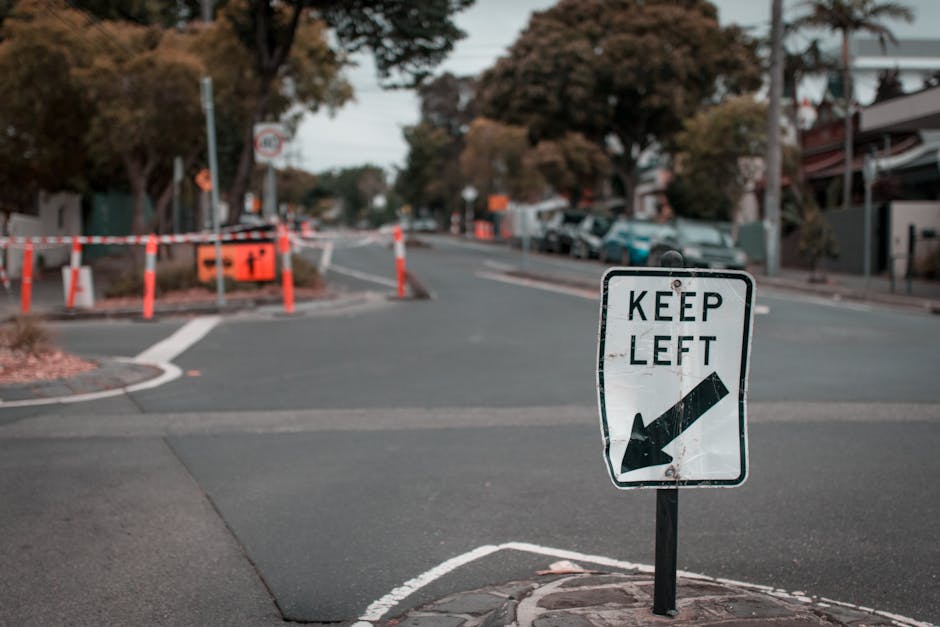
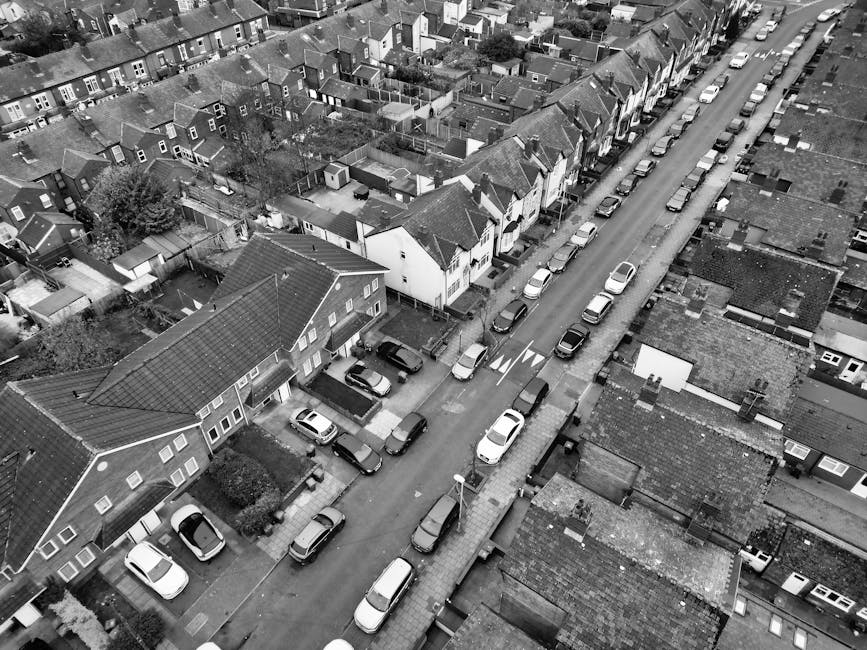
Sandycombe Road sits in a part of Kew where the charm is obvious, but the logistics can be a bit less romantic. Roads like this often come with limited stopping space, parked cars on both sides, and homes that are close to the kerb. That changes the entire removals equation. A van that would glide in easily on a wider road may need a smarter approach here.
Why does that matter so much? Because a move is rarely just about loading boxes. It's about controlling risk. Narrow access can increase the chance of scratched furniture, awkward lifting, blocked driveways, delayed loading, or having to carry items much further than planned. Small problems have a habit of multiplying on moving day. One late parking decision can ripple through the whole schedule.
There's also the human side. If you're moving with children, older relatives, pets, or a time-sensitive handover, the pressure rises quickly. A short road can become busy in a flash. One delivery van, one neighbour reversing, and suddenly the whole sequence changes. That's why removals in this part of Kew are best treated as a local access project, not just a van job.
For many households, the safest route is to combine good prep with a service that understands local conditions. You can explore broader support through removals in Kew or a more focused house removals Kew service if you're dealing with a full household move.
How Navigating Sandycombe Road removals in Kew's narrow streets Works
At a practical level, the move usually starts long before the van arrives. The key is to understand the road layout, the property access, and the size of the items that need to leave the building. On a street like Sandycombe Road, that usually means a site check, a parking plan, and a realistic loading strategy.
The process often looks something like this:
- Assess the access - Check where the van can stop, whether the road narrows sharply, and how far items may need to be carried.
- Match the vehicle to the property - A smaller van or a flexible crew setup can be better than forcing a larger vehicle into an awkward space.
- Plan the load order - Heavy, bulky, and fragile items should be staged in the right sequence so the move flows rather than stalls.
- Protect the route - Floors, bannisters, corners, and door frames need attention, especially where turns are tight.
- Load with clear communication - One person directing, one person lifting, one person checking. It sounds basic, but it helps a lot.
In narrow streets, moving can feel a bit like a small choreography. Not glamorous, admittedly. But if the steps are right, the whole thing runs more smoothly. If they're not, every item suddenly feels twice as heavy.
For some moves, a man and van in Kew setup is ideal because it gives you flexibility without overcommitting to a large vehicle. For others, a dedicated removal van in Kew is the better fit when volume, access, or timing are more demanding.
Key Benefits and Practical Advantages
Done well, a carefully planned move through Sandycombe Road offers more than convenience. It can make the whole day feel calmer and more controlled. That matters because moving is often a one-shot event; you don't get to rewind if the sofa gets stuck halfway down the stairwell.
- Less risk of damage - Narrow routes demand more control, and good planning reduces bumps, scrapes, and strain.
- Better timekeeping - If the van placement and loading sequence are thought through, the move tends to stay on schedule.
- Lower stress - Clear roles and a realistic plan stop the day from becoming chaotic.
- Safer handling of awkward items - Sofas, wardrobes, mattresses, and white goods all benefit from the right approach.
- Improved neighbour relations - Less blocking, less noise, fewer awkward apologies on the doorstep.
There's also a subtle benefit that people underestimate: decision fatigue drops when the move is structured. You're not constantly asking, "Where does this go? Can that fit? Should we try again?" That mental relief is worth a lot on an already busy day.
If you're trying to reduce the load before moving day, the decluttering guidance in this decluttering guide is a sensible place to start. Less stuff means fewer trips. Simple, but powerful.
Who This Is For and When It Makes Sense
This kind of move is relevant to anyone living or working on a narrow Kew street, but it's especially useful for people in homes with awkward frontage, upper-floor flats, or time-restricted handovers. If your building has no easy loading bay, or if parking is tight most of the day, you'll want to plan early.
It often makes the most sense for:
- families moving from terraced or semi-detached homes with limited front access
- flat dwellers where stairwell access and street parking both need attention
- students leaving shared accommodation with a tight move-out slot
- small businesses shifting stock or equipment from a narrow Kew location
- anyone moving larger furniture that won't just "nudge through" a tight space, because let's face it, it usually won't
If you're in a flat, a specialist flat removals Kew service can be a better fit than a general move. Likewise, for smaller or more time-sensitive moves, student removals Kew or same-day removals Kew may be worth considering, depending on the schedule.
Truth be told, this is not only about property type. It's about friction. The more friction the street creates, the more planning your move needs.
Step-by-Step Guidance
Here's a practical way to approach removals on Sandycombe Road without overthinking everything, but also without winging it. Winging it sounds brave until you're halfway through carrying a wardrobe and realise the landing turn is tighter than you thought.
1. Walk the route before moving day
Check the pavement, the front door clearance, any steps, and the likely van stopping point. If possible, measure the largest items against door widths and stair corners. A few minutes with a tape measure can save a very long morning.
2. Decide what truly needs to move
Some items are worth taking; others are just adding weight and delay. This is where a sensible sorting session helps. If you need a broader reset before leaving, the ideas in guide to transforming your home before leaving can help you separate essentials from clutter.
3. Prepare the biggest items first
Large items usually dictate the whole job. Sofas, beds, wardrobes, desks, and appliances should be planned early. For bulky seating, take a look at sofa storage guidance if you're keeping furniture in storage for any length of time. For beds and mattresses, the advice in moving beds and mattresses safely is especially useful.
4. Pack by room, not by random space
Room-by-room packing keeps unloading much easier later. Labels should be clear, but not theatrical. A box marked "Kitchen - mugs and kettle" is much better than "miscellaneous".
5. Time the vehicle arrival carefully
Try to avoid peak congestion where possible and leave a buffer for local delays. In a narrow street, even a small delay can affect where the van can safely wait. If the route has limited stopping space, someone should be ready to direct the vehicle in and out smoothly.
6. Load strategically
Heaviest items go in first, then stable boxes, then lighter or more fragile pieces. Keep essential items accessible if you'll need them immediately after arrival. A small bag with documents, chargers, and toiletries is a lifesaver. Every move seems to have that one box everyone wants first.
7. Check both properties before you leave
Do a final sweep for keys, hidden drawers, loft items, and anything still in sheds or cupboards. It's amazing how often people forget the back of a wardrobe, or the top shelf in the hallway cupboard.
Expert Tips for Better Results
Good removals in narrow Kew streets aren't about brute force. They're about smart habits that reduce wasted motion and avoid awkward surprises.
- Use a smaller vehicle if the street is tight. A van that fits the road is better than a larger one that creates a bottleneck.
- Pre-pack fragile items separately. Glassware and decor need extra care where carrying distances are longer.
- Protect corners and floors in advance. Small chips happen fast near tight turns.
- Disassemble what genuinely needs disassembly. But don't strip apart furniture just because you can. Not every item benefits from it.
- Leave room for weather. London drizzle is hardly rare, and a wet route changes handling quickly.
- Communicate the awkward bits early. If there's a piano, a freezer, or a particularly heavy sideboard, say so upfront.
For extra support with difficult lifting, it can help to read advice on handling heavy item lifts. It's a good reminder that lifting technique matters, even before the van is involved. And yes, you really do feel it the next day if you ignore it.
If you're moving an instrument, don't guess your way through it. The specialist approach covered on piano removals Kew explains why certain items are better left to trained movers with the right equipment.
Common Mistakes to Avoid
Most problems on narrow streets aren't dramatic disasters. They're small avoidable errors that pile up. A box left in the hallway. A van booked too large. A sofa measured only in memory, not in centimetres. These things happen.
- Booking a vehicle before checking access - The road should shape the move, not the other way round.
- Leaving packing too late - Last-minute packing leads to poor labels and fragile items being rushed.
- Ignoring stair and doorway dimensions - The item may fit the room but not the route.
- Assuming street parking will just work out - On busy days, assumptions get expensive in time.
- Overloading boxes - Heavy boxes are harder to carry, especially on tight turns.
- Failing to separate essential items - You don't want to be rummaging for kettle leads at 9pm.
A lot of these mistakes are avoidable if you slow down at the planning stage. The irony is that a little patience before the move usually creates a much faster moving day. Funny how that works.
Tools, Resources and Recommendations
You don't need specialist kit for every move, but the right basics make a huge difference in a narrow-street setting.
| Tool / Resource | Best use | Why it helps on Sandycombe Road |
|---|---|---|
| Furniture blankets and straps | Protecting and securing bulky items | Reduces bumps and shifting during short, careful carries |
| Floor protection | Hallways, stairs, and entry points | Useful where repeated trips increase wear on tight routes |
| Labels and inventory lists | Room tracking and unloading | Speeds up placement at the new address |
| Tape measure | Checking furniture and access points | Helps avoid surprises at doors, stairs, and landings |
| Storage option | Holding items temporarily during complex moves | Useful if access timing and completion timing don't line up |
For packing supplies, a dedicated packing and boxes Kew service or resource can save a lot of hunting around for the right materials. And if your move needs a temporary holding phase, storage in Kew can be a practical bridge between properties.
If you want a more rounded move plan, the article packing mastery for a flawless house move is worth a read. It's practical, not fluffy, which is what you want on moving week.
Law, Compliance, Standards, or Best Practice
For most household moves in Kew, the main compliance concerns are practical rather than formal. You generally need to think about parking, traffic access, safe lifting, and protecting people and property. If a removals team is using public road space, loading near traffic, or working around shared entrances, they should do so in a way that follows local rules and common-sense safety practice.
It's sensible to expect clear communication around insurance, liability, and handling procedures. That doesn't mean every move needs a legal lecture. It does mean you should know what is covered if something is damaged, what the team expects from you, and how delays or access issues are handled. If you're comparing providers, the pages on insurance and safety and health and safety policy are worth checking before you book.
Best practice also matters. That includes proper lifting technique, secure loading, guarding vulnerable surfaces, and honest communication about difficult items. If you're working with a reputable local company, you should expect a straightforward explanation of what they can move, how they'll access the property, and whether any specialist handling is needed.
For broader service terms and practical details, it can also help to review the company's terms and conditions and pricing and quotes information before committing.
Options, Methods, or Comparison Table
Not every Sandycombe Road move needs the same approach. The right method depends on what you're moving, how much access you have, and how much help you need.
| Option | Best for | Strengths | Watch-outs |
|---|---|---|---|
| Man and van | Smaller moves, mixed access, flexible scheduling | Cost-effective, nimble in narrow streets | Less capacity for large household loads |
| Dedicated removals team | Full house moves, heavier furniture, more complex access | More support, better for multi-room logistics | May be more than you need for a small move |
| Self-move with hired van | Very small moves and budget-led jobs | Control over timing, can suit light loads | Higher physical effort, more chance of delays |
| Storage plus phased move | Delayed handover or difficult access timing | Reduces pressure on moving day | Extra coordination needed |
If you're unsure which route fits your situation, a conversation with a local provider is usually the fastest way to get clarity. The general removal services Kew overview can also help you understand what's available before you choose.
Case Study or Real-World Example
Here's a typical local scenario. A couple moving from a first-floor flat near Sandycombe Road had a tight exit, one awkward staircase turn, and a single parking option that could have been blocked by everyday traffic if the timing slipped. Nothing unusual, just one of those moves that looks simple until you start measuring things.
They sorted the move into three stages. First, they packed by room and separated essentials. Second, they disassembled a bed frame and kept fixings in labelled bags. Third, they reserved bulky items for early loading so the van could be positioned quickly and leave before the road became congested. The move still took concentration, but it stayed orderly. No scrambles. No last-minute panic over the mattress angle, which is always the sort of detail that causes trouble.
The biggest difference wasn't strength. It was sequencing. By moving the heaviest pieces first and keeping the route clear, the whole day became more predictable. That kind of predictability matters in narrow Kew streets because the environment gives you less room for improvisation.
For situations like this, a local man with a van in Kew can be a very sensible choice, particularly when flexibility and access awareness matter more than a large-scale team.
Practical Checklist
Use this checklist a few days before moving day. It's simple, but it covers the bits people most often forget.
- Measure large furniture, doors, stair turns, and the hallway route
- Check where the van can safely stop on or near Sandycombe Road
- Confirm whether parking arrangements need extra planning
- Pack essentials separately for the first night
- Label boxes by room and priority
- Protect fragile items and wrap sharp corners
- Prepare any furniture that needs disassembly
- Decide if storage is needed between addresses
- Review insurance, safety, and service terms
- Keep keys, documents, and phone chargers accessible
- Do a final sweep of cupboards, lofts, sheds, and under-stairs areas
- Leave enough time for the unexpected, because something always pops up
Expert summary: On narrow Kew streets, a good move is less about moving quickly and more about moving clearly. Measure first, pack properly, choose the right vehicle, and keep the route simple. That's the formula.
Conclusion
Navigating Sandycombe Road removals in Kew's narrow streets is really about planning around constraint. The street itself doesn't have to be a problem if you understand how to work with it. Once you do, the move becomes more manageable, less stressful, and far less likely to go off the rails halfway through the day.
Whether you're moving a single flat, a family home, or just a few bulky pieces, the principles are the same: measure carefully, pack with intention, choose the right service, and don't leave access to chance. A narrow street asks for a bit more thought, that's all. In return, it gives you a move that feels smoother and more controlled.
If you'd like help planning the details, you can explore the wider service options, compare what suits your move, and keep things simple from the start. A calm move is usually the result of a calm plan.
Get a free quote today and see how much you can save.
And if you're still at the "where do we even begin?" stage, that's fine too. Start with the route, then the boxes, then the van. One step at a time. It really does add up.