Van access and parking advice for TW9 (Kew)
Posted on 14/05/2026
Trying to move house, deliver furniture, or arrange a same-day collection in Kew can feel easy on paper and then suddenly a bit messy once the van actually arrives. Narrow residential streets, busy school-run pockets, resident bays, and the occasional awkward driveway all change the game. That is exactly why Van access and parking advice for TW9 (Kew) matters: a good plan saves time, avoids unnecessary stress, and reduces the chance of a delay that snowballs into a long, frustrating afternoon.
If you are shifting a sofa from a second-floor flat, unloading boxes near Kew Gardens, or coordinating a full property move, the small details matter. Can the van stop close enough to the entrance? Is there space to turn safely? Will loading take place from the front, the rear, or a side street? These are the questions that decide whether the day feels organised or slightly chaotic. Truth be told, a smooth move usually starts before anyone picks up a box.
In this guide, you will find practical local advice for van access, parking, loading, timing, and planning around TW9's real-world constraints. You will also see how to avoid common mistakes, what to check before your driver arrives, and which service pages can help if you need a broader moving solution in the area.

Why Van access and parking advice for TW9 (Kew) Matters
TW9 is one of those parts of London where access can look simple until you are on the ground with a vehicle full of furniture. Kew has a mix of terraced homes, mansion blocks, mews-style roads, and busier main routes, which means parking conditions can change from one street to the next. A van that would be fine on an open suburban road may struggle on a narrow residential lane, especially if cars are already parked tightly on both sides.
For removals and deliveries, access is not just about convenience. It affects speed, labour, safety, and cost. If a van must park further away than expected, the team may need to carry items longer distances. That adds effort, time, and risk, especially with heavy or awkward loads. A quick drop-off can become a longer operation, and nobody enjoys that. Not the customer, not the driver, and certainly not the person carrying the washing machine.
It also matters because Kew has genuine local pinch points. Around busy commuter times, school runs, and periods near popular destinations, parking space can disappear quickly. If the vehicle is too large for the available bay, or if loading is left to chance, you may end up looping the block instead of getting on with the move. A little planning avoids all that.
In practical terms, good access advice helps you:
- reduce loading and unloading time
- avoid fines, complaints, or parking disputes
- protect items from damage caused by long carries
- help the crew park safely and legally
- keep neighbours and other road users happier
That last one is worth saying plainly. A tidy, considerate parking plan can make the whole move feel far less intrusive.
How Van access and parking advice for TW9 (Kew) Works
At its core, the process is straightforward: you look at the property, the street, the vehicle size, and the likely loading position, then decide how the van can stop with the least disruption. In Kew, that often means matching the move to the street rather than assuming the street will match the move.
Most access planning starts with a few basic questions:
- Where can the van legally stop?
- How far is the property entrance from that point?
- Is there room to open rear doors safely?
- Will the driver need to reverse, turn, or wait for another vehicle to move?
- Do you need a bay, double yellow awareness, or timed loading only?
The answer depends on the street, the time of day, and the size of the van. A smaller man and van Kew setup is often easier to place in tight roads, while larger loads may need a bit more room and more careful timing. If you are planning a bigger job, it may be worth looking at removal van Kew options that suit the volume and the access conditions.
One thing people often overlook is the loading sequence. For example, if a street is narrow but the front entrance is clear, it may be smarter to reserve the front space for quick handling and stage the heavier items first. If you are moving from a flat, that can make a surprising difference. Our flat removals Kew service is designed with these sorts of access quirks in mind.
And yes, the details matter. A van parked five metres closer does not sound dramatic. But over a full move, that little difference can spare a lot of lifting. You feel it by 2pm.
Key Benefits and Practical Advantages
Good van access and parking planning in TW9 does more than keep the day tidy. It changes the whole experience for the better. Here is what that looks like in practice.
1. Faster loading and unloading
The shorter the carry distance, the quicker the job. That sounds obvious, but it is one of the biggest reasons access planning pays off. If the team can park close to the property and keep the route clear, the move usually runs more smoothly.
2. Lower risk of damage
Longer carries increase the chance of bumps, drops, and awkward turns on stairs or pavements. This matters even more with bulky pieces like wardrobes, fridges, or pianos. If you are moving larger furniture, the relevant service pages such as furniture removals Kew and piano removals Kew are worth a look.
3. Less stress on move day
Simple access planning takes pressure off everyone. There is less rushing, less apologising to neighbours, and fewer moments where someone has to stand in the road holding a door open while traffic creeps past. It is not glamorous, but it is calmer.
4. Better use of time and money
If a crew spends less time circling for parking or carrying items from the far end of the street, the job is usually more efficient. That can help with quoting, scheduling, and overall value. For a clearer view of what to expect, you can review pricing and quotes before booking.
5. More neighbour-friendly moves
A well-managed van stop is usually less disruptive. The vehicle is on site for the shortest necessary time, access routes stay clearer, and loading happens with less fuss. Not everything about moving can be invisible, of course, but a little courtesy goes a long way.
Expert summary: In TW9, the best access plan is usually the one that shortens carrying distance, respects parking rules, and matches the van size to the street. Simple. But not always easy, which is why checking early matters.
Who This Is For and When It Makes Sense
This advice is useful for almost anyone arranging a move or delivery in Kew, but some situations benefit more than others.
- House movers who need the van to park close to a front door or shared driveway.
- Flat movers where stair access, lift access, or limited roadside space may complicate the job.
- Students moving into or out of compact accommodation, often with tight timing and limited parking tolerance. See student removals Kew.
- Office teams shifting equipment in working hours, where parking permissions and loading windows need extra care. Explore office removals Kew.
- People moving bulky items such as sofas, beds, wardrobes, or heavy appliances.
- Urgent movers who need a same-day solution and cannot afford slow parking decisions. In those cases, same-day removals Kew can be especially helpful.
It also makes sense if you are on a street with unpredictable parking patterns. Even a usually quiet road can become awkward if a neighbour's car is already outside, a delivery van is double-parked nearby, or the only sensible stopping point is blocked for a minute. A realistic plan keeps the move moving.
To be fair, some people only think about parking once the van has arrived. That is exactly when the pressure starts. Better to look twice in advance than improvise with a staircase full of boxes.
Step-by-Step Guidance
Here is a practical way to plan van access and parking in TW9 without turning it into a big production.
- Check the property frontage
Look at whether the van can stop directly outside, a few doors away, or on the opposite side of the road. Note any narrow gate, low wall, trees, or steps that could affect carrying routes. - Measure the loading path
Estimate how far items will travel from door to vehicle. Ten metres is manageable; fifty metres is a different story, especially with heavy furniture. - Identify parking restrictions
Watch for resident bays, permit-only sections, yellow lines, timed restrictions, or loading-only areas. If you are unsure, do not guess. - Match the van to the job
A smaller vehicle can be easier on tight TW9 streets, but if the load is large, the balance changes. If in doubt, discuss size and route with the team beforehand. A general removal services Kew provider can help you weigh the options. - Plan the arrival window
Traffic patterns matter. Early morning can be calmer, but school runs and commuter traffic can still affect certain roads. Midday may be easier in some areas, less so in others. - Prepare the exit route
Think about how the van will leave, not just how it will arrive. If the vehicle must reverse or turn awkwardly, clear this in advance. - Stage items near the door
Leave packed boxes, dismantled furniture, and smaller items as close to the exit as safely possible. If you want a hand with the packing side, packing and boxes Kew is a useful place to start. - Do a final walk-through
Check for forgotten items, loose screws, fragile pieces, and obstructions on the floor. One lost charger cable can be oddly irritating.
One practical tip: if your route includes stairs, try walking it once while carrying a lightweight box before the main loading starts. It gives you a real feel for the turns, the height of the bannister, and where your shoulders will have to twist. Small thing. Big help.
For anyone who wants the move itself to feel less chaotic, it can help to read how to make a move feel more stress-free alongside this article. The access plan and the moving plan should work together, not compete.
Expert Tips for Better Results
A few small adjustments can make access and parking far easier in TW9. These are the sort of details that experienced movers tend to think about automatically, but they are worth spelling out.
Choose the right arrival time
In many parts of Kew, a slightly earlier or later start can make a noticeable difference. Roads may be quieter, parking spaces may be more available, and neighbours may be less likely to be coming and going. That said, there is no single perfect time for every street.
Keep the load list realistic
If you know you are carrying a piano, a large wardrobe, or a heavy freezer, say so early. Weight and shape affect where the van can park and how much room you need at the kerb. For tricky items, our guides on moving pianos safely and moving beds and mattresses give a useful sense of what is involved.
Declutter before the van arrives
Less clutter means less time spent handling unnecessary items. That is not just tidy advice; it genuinely changes the access challenge because you are moving fewer things in tighter spaces. A focused clear-out can be a game changer, and this decluttering guide is a smart companion read.
Use the street itself as information
Look at the road one day before the move if you can. Notice whether cars usually park on one side only, whether turning space is tight, and whether other vehicles stop near the same entrance. Sometimes the street tells you almost everything you need to know.
Keep a simple backup plan
What if the space outside your property is gone when the van arrives? Have a second option ready. Maybe there is a nearby loading point, a side street, or a neighbour who has agreed to leave room. Backup plans do not need to be fancy; they just need to exist.
Protect the items and the people
If access is tight, the moving method matters more. Use proper lifting, safe carrying, and sensible route planning. If your job involves awkward items, the practical advice in navigating heavy lifts can help you understand why technique matters so much.
And a small human note here: people often underestimate how tiring repeated short lifts are. It is not the one dramatic lift that gets you. It is the tenth box, then the fridge, then the sofa cushion that has to be nudged, then the door that sticks. That sort of thing.
Common Mistakes to Avoid
Most access problems are avoidable. The trouble is they usually seem small until they are not.
- Assuming the van can park outside without checking
In TW9, that is a risky assumption. Street conditions change, and many roads are tighter than they first appear. - Ignoring the height and width of the vehicle
A van that fits your load may not fit the street. That is a classic mismatch. - Forgetting about neighbours and other road users
Blocking a driveway or staying in a loading spot too long can create avoidable tension. - Leaving access questions until moving day
By then, you are reacting instead of planning. - Underestimating stair distance
If the property is a flat or has internal stairs, the carry becomes more demanding fast. - Not separating fragile or valuable items
This slows everything down and can lead to awkward handling. If storage is part of the plan, storage Kew may be a useful option while you organise the rest. - Trying to move oversized items without enough help
Sometimes people think one extra strong lift will do the trick. Often it will not. Sometimes it really won't.
If you are handling a full household move, it is worth pairing access planning with good packing discipline. The article on packing for a flawless house move can help reduce the last-minute scramble.
Tools, Resources and Recommendations
You do not need a pile of specialist gear to plan access well, but a few tools make life much easier.
- Phone map apps for checking street layout, one-way turns, and nearby side roads.
- Notes app or checklist to record restrictions, entry points, and loading instructions.
- Measuring tape for checking furniture width and doorway clearances.
- Foam blankets, straps, and trolleys for safer handling once the van is parked.
- Labels and colour markers to speed up loading order, especially in a flat or office move.
On the service side, the most useful next steps depend on your situation. If you need full support, removals Kew offers a broader overview of move options. If you only need help with a smaller collection or transport job, man with a van Kew may be the better fit. If you are comparing providers, it can also help to review removal companies Kew to understand what level of service you actually need.
For people who care about reassurance, not just logistics, the site's insurance and safety page is a sensible read before you confirm a booking. And if you want to know how the company handles privacy, payments, or service terms, those support pages are there for a reason. Not exciting, perhaps, but very useful when you want clarity.
Law, Compliance, Standards, or Best Practice
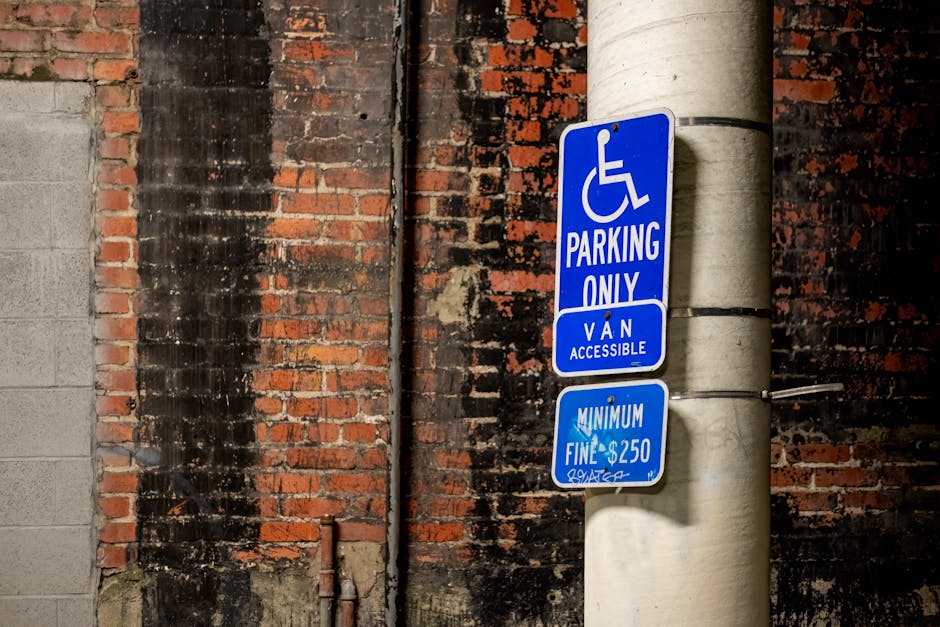
Parking and loading in London should always be approached carefully, because local restrictions can change by street and by time of day. It is sensible to check signs on site rather than rely on memory, hearsay, or what someone parked there last Tuesday and seemed to get away with. That is not a plan.
Good practice usually includes:
- parking only where it is allowed and safe to do so
- respecting resident permit zones, loading rules, and timed restrictions
- keeping access routes clear for pedestrians and emergency use
- avoiding damage to pavements, kerbs, walls, or communal entrances
- communicating early if a bay or frontage needs to be reserved
For regulated moving work, professional standards also matter beyond parking. Clear communication, safe lifting, proper handling, and transparent expectations all contribute to a better outcome. If you are booking a moving service, it helps to know how the company approaches customer support and responsibility. The related policy pages, including health and safety policy, terms and conditions, and complaints procedure, offer that kind of reassurance.
It is also sensible to think about sustainability. Sometimes the best access plan is the one that minimises repeated trips and wasted mileage. If you are moving items into temporary holding, the company's recycling and sustainability page may be relevant too, especially if you are clearing out unwanted furniture or white goods.
Options, Methods, or Comparison Table
Different access approaches suit different moves. The right choice depends on property type, vehicle size, urgency, and how much carrying is involved.
| Access method | Best for | Pros | Watch-outs |
|---|---|---|---|
| Park directly outside | Short moves, small loads, good roadside space | Fastest loading, shortest carry distance | May not be possible on narrow or restricted streets |
| Park a short walk away | Typical residential moves | Flexible, often easier to arrange | More carrying time, more fatigue |
| Use a side street or alternative loading point | Tight roads, busy main roads, partial restrictions | Can solve awkward access problems | Needs clear route planning and communication |
| Smaller van with multiple loads | Restricted streets or lighter moves | Easier to manoeuvre and park | More trips, so time can increase |
| Larger van for one-trip efficiency | Full house moves or larger furniture sets | Fewer journeys, better for bigger volumes | Harder to park in some parts of TW9 |
There is no universal winner here. A smaller van is not automatically better, and a bigger van is not automatically quicker. It depends on the street, the load, and the day. Slightly annoying answer, but honest.
Case Study or Real-World Example
Imagine a two-bedroom flat move in TW9 on a weekday morning. The property is on a residential street with limited frontage and parking already partly occupied by residents. The customer has boxes, a sofa, a mattress, and a fridge. The lift is small, and the stairs are narrow enough that turning the sofa is going to require real care.
Instead of arriving and hoping for the best, the mover checks the street in advance, identifies a sensible stop point a short distance away, and plans the order of loading. Lighter boxes are carried first while the access route is clear. Larger items are saved for when the team is ready and the entrance has been protected. The customer is asked to keep the hallway free, and the mattress is wrapped before it leaves the flat.
The result? There is still lifting, still traffic, still the usual one box that is oddly heavier than it should be. But the move is calm enough to stay on track. No panic parking. No argument with a blocked driveway. No last-minute reshuffle halfway through the job.
That is the real value of good access planning. It does not make moving magical. It just removes the avoidable friction.
If you are dealing with storage at the same time, perhaps because completion dates do not line up neatly, storage Kew can help bridge the gap. And if you are stripping a home down before departure, this home-prep guide before leaving is worth a read alongside your access plan.
Practical Checklist
Use this simple checklist before the van arrives. It is the kind of thing you can skim in two minutes and still save yourself a headache.
- Confirm the property address, entrance, and floor level
- Check whether the van can stop directly outside or nearby
- Look for resident bays, permit zones, yellow lines, or loading restrictions
- Decide whether a smaller or larger vehicle is more realistic
- Clear the path from the property entrance to the roadside
- Label fragile, heavy, and priority items clearly
- Disassemble bulky furniture if needed
- Protect floors, corners, and door frames if practical
- Keep key contacts available on the day
- Have a backup plan if the preferred stop point is unavailable
Quick takeaway: the smoother the route from door to van, the smoother the whole job. It sounds plain, but that is the bit people feel most on moving day.
Get a free quote today and see how much you can save.
Conclusion
Van access and parking advice for TW9 (Kew) is really about one thing: removing avoidable friction from a move or delivery. The local streets, parking limits, and property layouts can all influence how easy the day feels. If you plan for those conditions early, you give yourself a better chance of a quick, safe, and far less stressful job.
Whether you are moving from a flat, clearing an office, transporting one bulky item, or arranging a same-day collection, the same principles apply. Check the street, match the van to the space, keep the load organised, and leave yourself a backup option. It is not flashy advice, but it works. And in a place like Kew, that matters more than most people expect.
If you want a more rounded service view, the services overview and about us pages are a good next stop. Small planning now, less stress later. That is usually the win.